


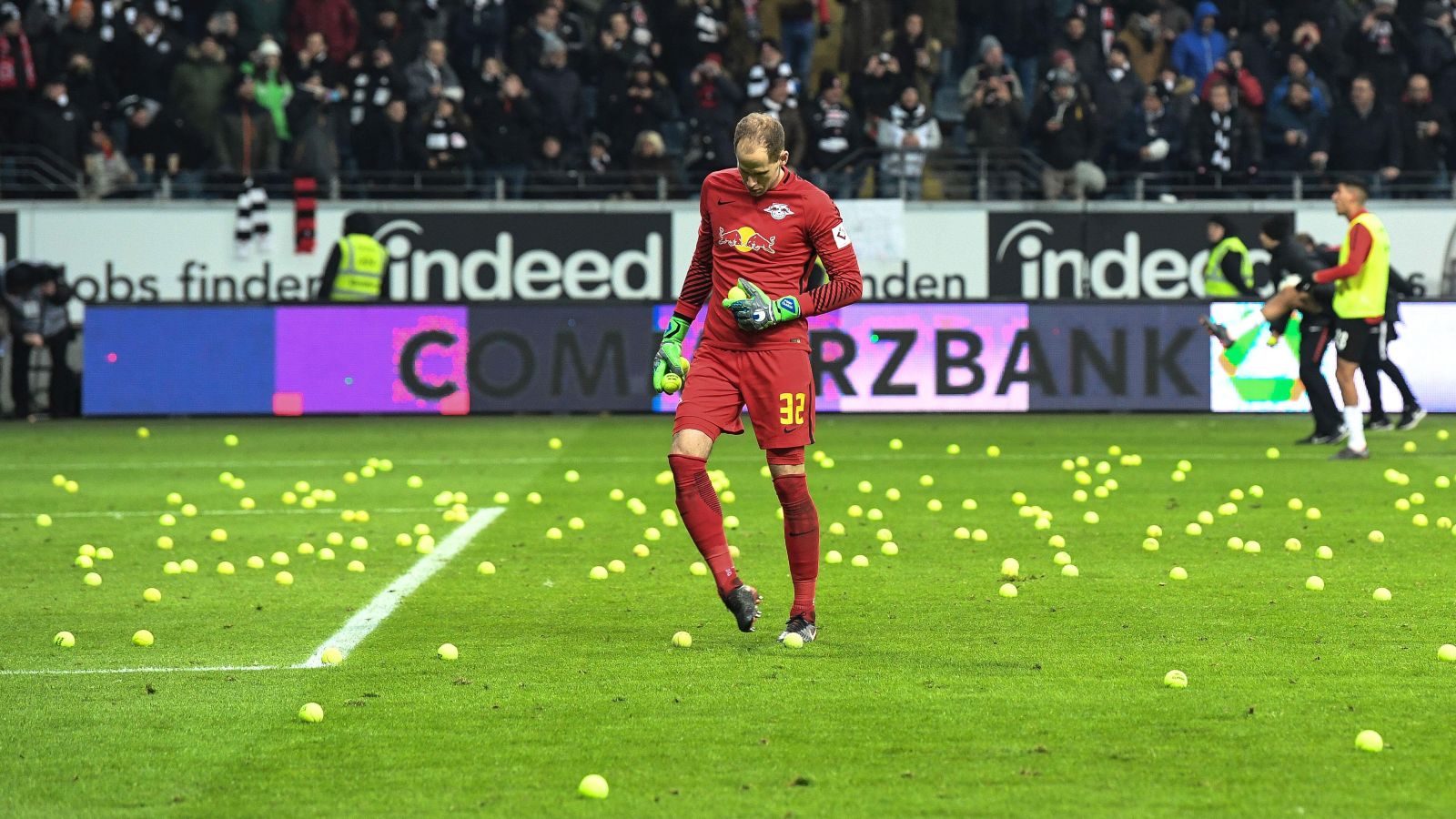
There is an ugly truth to modern football that the fixture list is a plaything of the paymasters. Ink a TV deal and suddenly tradition is a scheduling inconvenience. But in Germany, that blunt economic logic collided with something more stubborn – supporters’ culture – and lost. The story of how Bundesliga terraces emptied on a Monday night and, within a few seasons, helped end Monday night kick-offs is not about pyrotechnics or glossy social media campaigns. It’s about quiet, coordinated refusal – empty seats, whistled halves and tennis balls on the pitch until the schedule-makers listened. The DFL agreed to scrap Monday games in the next TV cycle and fans proved you can still bend the game when you act together. The idea of Monday night football returned to Germany with the 2017/18 rights cycle. For broadcasters it was a neat way to squeeze an extra premium match into the calendar. For many supporters it was an affront. Away-day travel that already cost time and money would now require a Monday off work. Fans who cherished the weekend ritual of matches felt the culture was being traded for a handful of euros. In early 2018, pockets of fan anger hardened into organised action. Groups such as those around Eintracht Frankfurt staged a pointed first move – hundreds left the terraces before kick-off, unrolled banners behind the goal and delayed the start of a match, and later launched tennis balls onto the pitch to halt play. The mood was part parody, part provocation and entirely deliberate. The message was ‘no’ to a fixture slot born of marketing calculus rather than supporter life. READ: The walkout that worked – Liverpool fans and the £77 ticket protest The tactics were low tech and perfectly German: silent protest, mass non-attendance and, when theatre was needed, a volley of tennis balls to stop play. When Nurnberg hosted Borussia Dortmund in November, fans attempted to disrupt TV coverage by targeting the broadcast area and by pelting the pitch during set-pieces – a practice that made headlines because it showed how far supporters were prepared to go to make their displeasure visible to cameras and executives alike. The effect was immediate and measurable. Dortmund recorded one of their lowest home attendances in years for a televised Monday fixture, down by tens of thousands from their usual averages. That kind of hole in the stands is the sort of damage no rights-holder or club likes to see displayed in their ratings and sponsorship decks. It is tempting to portray those protests as purely symbolic. They were not. They were tactical pressure. Borussia Dortmund’s chief executive, Hans-Joachim Watzke, put the arithmetic bluntly: if 80% of the German public reject the idea and stadium turnouts fall from 81,000 to 54,000, the commercial case for Mondays collapses. Watzke’s words were not fan service; they were a commercial admission that, in live sport, spectatorship is a currency no broadcaster can ignore. Fans leaned into the script. Protest methods spread – coordinated silences at kick-off, black-out displays and banners that read ‘No to Monday Night Football’. Supporters’ groups published statements accusing clubs and league organisers of ‘sacrificing our interests for the smallest of financial gains’, and argued that the introduced slots treated fans as consumers to be scheduled rather than members to be consulted. That rhetorical framing – fans as members, not customers – is crucial in Germany, where the member-led identity of clubs and the 50+1 rule are cultural touchstones. The protests kept escalating until they became a running, embarrassing feature of the season. Broadcasts were interrupted, stadium stewards were left clearing tennis balls and streamers and referees were forced to pause matches. The state of affairs was bad for the spectacle of the match and worse for the corporate narrative that such deals were simply ‘good business’. When the DFL and clubs came to hammer out the next round of media rights, the calculus had changed. The anger was no flash in the pan; it had become a measurable commercial risk. In November 2018 the DFL confirmed that Monday fixtures would be scrapped from the 2021/22 season, shifting those TV slots elsewhere in the schedule and effectively conceding the point to supporters. It is important to be clear about what the victory meant and what it did not. Fans did not outlaw all unusual kick-off times, nor did they remake football into a quaint nostalgic relic. Rather, they forced the league and broadcasters to respect the lived reality of supporters. The concession showed that scheduling is a two-way street: TV money matters, but so does the human cost of moving a weekend ritual into a working night. As Dortmund sporting director Michael Zorc reflected in the aftermath, the issue was “still an issue for the fans, and we must accept that”. That phrase – accept the fans’ grievance – is shorthand for a wider truth: accept that supporters remain a central constituency. Germany’s protests demonstrated that well-organised, largely peaceful fan action can change policy. The methods were disruptive, yes, but they were targeted and repeatedly tied to the economic argument: empty stands signal commercial failure and the economics of live sport are brittle enough that broadcasters will listen if the spectacle they pay for begins to look hollow. The Bundesliga example shows protest that is pragmatic rather than purely performative. Fans chose the lever, pulled it hard and left the boardroom to do the sums. The image that will stick is simple – an otherwise full stadium punctured by yawning gaps on a Monday, the silent pressure of thousands voting with their feet. It is not pretty theatre and it is certainly not comfortable for TV executives, but it is effective. When the DFL removed Mondays from the next TV deal, it was not the work of a hashtag or a petition. It was the product of bodies and ballots, of stones dropped into a still pond until the ripples reached the people who set the fixture list. Football’s commercial machinery is enormous, but even enormous things can yield when the people who care most insist they will no longer be ignored. In an age where sport increasingly measures success in clicks and broadcast hours, the Bundesliga protests are a reminder that the best metrics still begin with people in the seats. To learn more about Pledgeball and how you can pledge to help your club shoot up the sustainability standings, visit Pledgeball.org.
When German fans killed Monday Night Football with silence and tennis balls
Discussion 0
Join the conversation
Related Football Updates
 article
💰 Smart Betting Strategy: How to Grow ₦20,000+ with Daily 2.00 Odds
Many bettors lose money not because the tips are wrong, but because they mismanage their bankroll.This guide explains a practical staking strategy for bettors using daily 2.00 odds, starting with a minimum capital of ₦20,000. ⚠️ Important:There is no guaranteed winning strategy in betting. This system focuses on discipline, risk control, and long-term profitability. 📌 Strategy Assumptions 🔑 Golden Rule of Betting Successful bettors focus more on stake management than on odds. A good tip with poor staking still leads to losses. 🟢 Strategy 1: Winning Every Day (7/7) (Very Aggressive – High Risk) Staking Plan Weekly Projection ⚠️ Risk Warning:One loss removes 10% instantly. Not suitable for long-term betting. 🟢 Strategy 2: Winning 6 Days in a Week ⭐ Best Recommended Staking Plan Weekly Outcome ✅ Best balance of risk & reward✅ Suitable for VIP bettors✅ Can survive losing days 🟢 Strategy 3: Winning 5 Days in a Week (Safe & Consistent) Staking Plan Weekly Outcome ✅ Beginner-friendly✅ Capital protection✅ Steady growth 🟡 Strategy 4: Winning 4 Days in a Week (Low Growth Mode) Staking Plan Weekly Outcome ⚠️ Slow growth✅ Protects capital during bad weeks 🔴 Strategy 5: Winning 3 Days in a Week (Not Profitable) Staking Plan Weekly Outcome ❌ Not sustainable❌ Indicates poor tip performance 📊 Weekly Performance Summary Winning Days Daily Stake Risk Level Weekly Result 7 Days ₦2,000 Very High Fast growth / High risk 6 Days ₦1,400 Medium Best option ✅ 5 Days ₦1,000 Low Safe growth 4 Days ₦600 Very Low Capital protection 3 Days ₦400 Loss Avoid ❌ ✅ VIP Recommendation For serious bettors and VIP subscribers: ⚠️ Responsible Betting Disclaimer Bet responsibly. Betting involves risk and should not be considered guaranteed income. Always stake within your financial limits.
 article
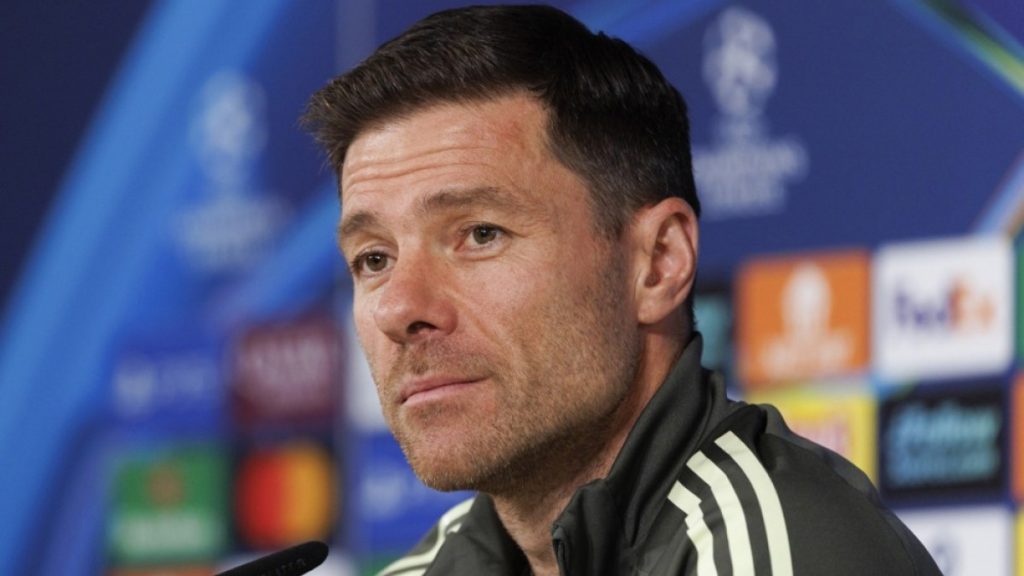
Alonso defiant as pressure grows on Real manager before Man City visit
Pressure mounting on Real coach as Manchester City visit in the league phase of the UEFA Champions League on Wednesday.
 article
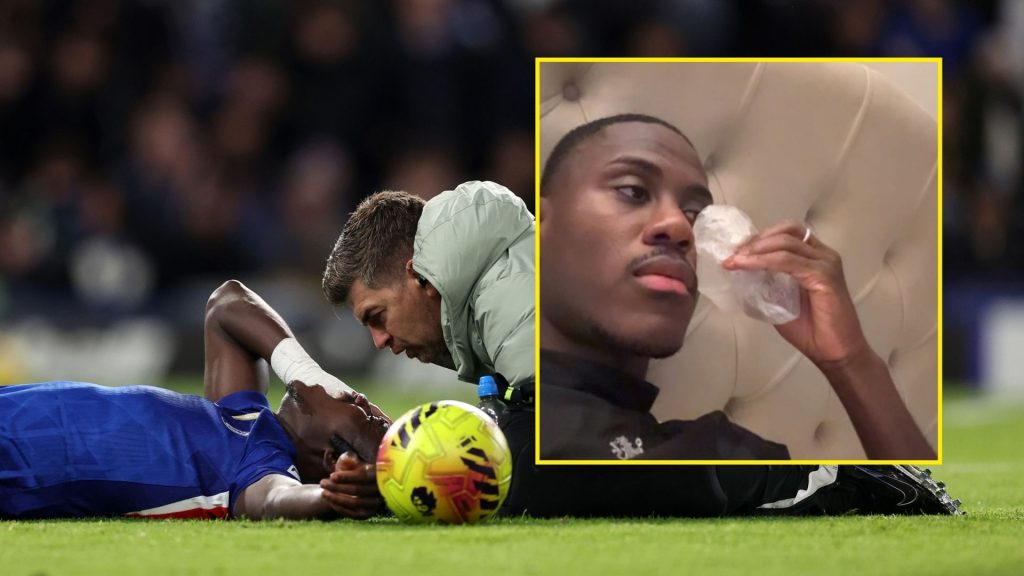
Chalobah shows off aftermath of nasty elbow from Arsenal star
Enzo Maresca has called out inconsistency from the officials following Chelsea’s draw with Arsenal. The Blues boss was left shocked that the visitors were not reduced to 10 men. Meanwhile, Ch…