


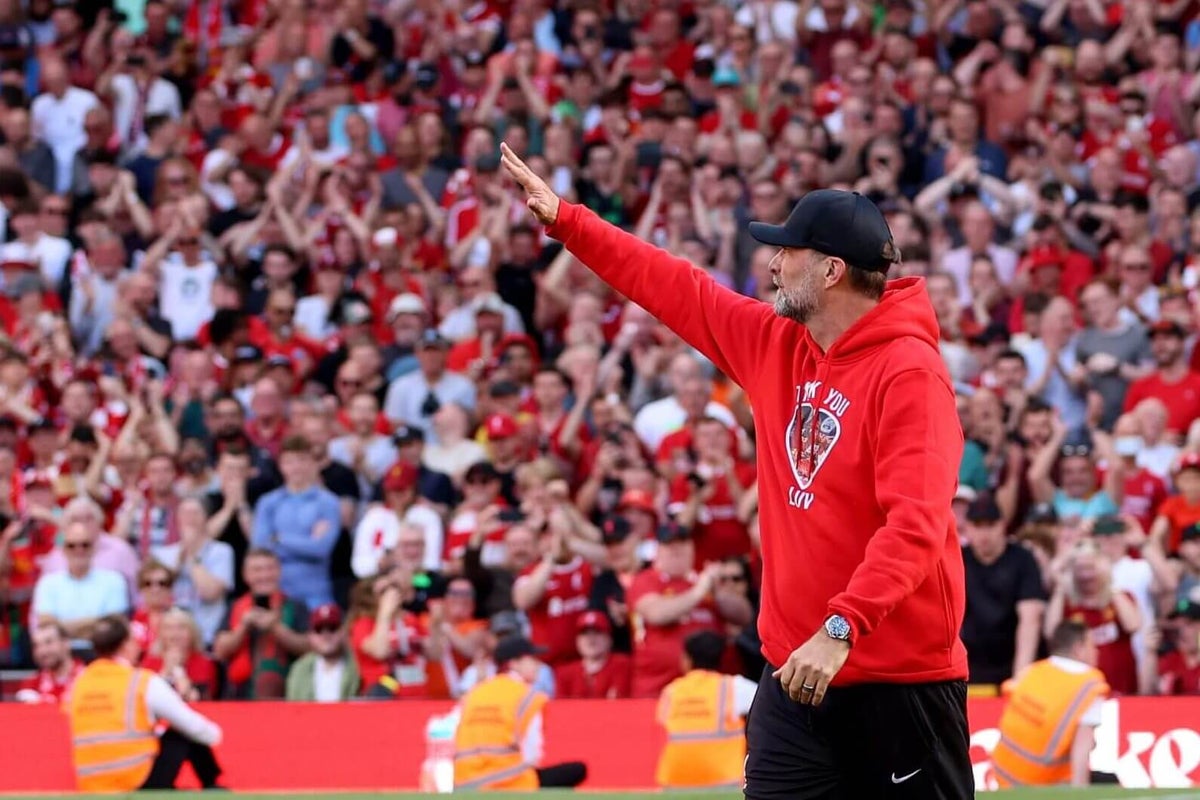
In Mainz, Dortmund and Liverpool, Jurgen Klopp was to an extent a construction of his followers, who projected their hopes and dreams onto him not only because they liked the bits of his personality they were exposed to, but because of the success he delivered and because of the way he made them feel.Klopp was many of the things his believers suggested he was, but there were some important caveats.He was, for example, an exceptional football manager, but that did not make him infallible. He was also an avowed romantic who built teams with a socialist zeal, diluting the significance of the individual in favour of the collective. Yet he was also an autocrat who racked up lucrative personal endorsement deals. Klopp never challenged the exaggerated view of himself. Instead, he seemed to appreciate that exaggeration could be a useful tool, especially as far as language was concerned. Such reinforcement would help bring control in each of the places he is most associated with, where his word became total, making it difficult for anyone to pose a challenge.In his exclusive interview published in The Athletic today, Klopp showed he has not lost his capacity to talk big, even if the discussion is pegged around the pleasures of semi-retirement. Sixteen months out of Liverpool, his messaging was clearer and more convincing than it was at the point he left the club, when it was obvious to everyone that a clean break was needed.Klopp stressed that he might feel differently in the future but for the time being, he misses “nothing” about football management. He may enjoy holding court, but it is understandable if he became bored with the endless press conferences. So, too, the travel; for a curious mind, it must be frustrating if you go everywhere but see nothing. Even the matches, or maybe especially the matches: the grind of preparing for one, feeling helpless while they are happening, and moving onto the next, never having enough time to solve problems that presented themselves, given the pressures of a fixture list that is forever extending. Klopp has a new role at Red Bull (Rudy Carezzevoli/Getty Images)What is more surprising is the fact he doesn’t seem to miss the people — the players, staff and colleagues he regularly compared to family. Klopp, after all, once said that while other managers collect trophies, “I collect relationships”. Yet even this suggests another paradox that underpins Klopp’s work, for while his relationship with fans was about love, with players and employees it was more to do with respect, and occasionally fear. The level of churn in training-ground staff hints that the reality of working for Klopp was hard. There was confrontation, and sometimes Klopp brought it on. He was not always reasonable. This, it must be emphasised, is not unusual for elite managers. Klopp was only trying to drive the standards that he thought were required to heave Liverpool, and Dortmund before that, up off the canvas. And he did so, magnificently. Either way, the mere fact that people are still trying to decode Klopp 16 months after he departed the managerial stage is a reminder of what we lost when he decided to quit. This is felt most keenly in Liverpool. Successor Arne Slot may have won the Premier League title in his debut season yet Klopp remains the most influential Liverpool manager since Kenny Dalglish. One hundred years from now, his name will be mentioned in the same sentence as those of Bill Shankly and Bob Paisley. When Klopp arrived, Liverpool’s potential as a club (and a business) had not been realised. Thanks to him, it now has.Arne Slot brought the title back to Liverpool last season (Carl Recine/Getty Images)But it extends beyond Merseyside, too. His impact on European football was enormous, and his achievements proved that it is possible to get under the skins of those with greater resources. At their best, Klopp’s teams were like bloodhounds, showing little respect for wealth or status: instead pursuing what they wanted in all sorts of thrilling ways.I don’t blame him for not wanting to try to do it all over again. The challenge has clearly come at a personal cost and he has earned the right to choose what he wants to do at this stage of his life.It says much about the way football is heading that he is now happy to operate at a safe distance from the sport — offering advice, guidance and the odd piece of pointed commentary from his bunker at Red Bull HQ, a sort of heavily-caffeinated version of Arsene Wenger.Maybe his reluctance to re-enter the fray also reflects a lack of suitable options for him. Klopp could work in a structure up to a point but he was the sort of overarching managerial figurehead that is disappearing from the game and it is not clear where he would fit in elsewhere in an era of powerful, yet largely unaccountable, sporting directors and football CEOs. The German national team might seem like an option but would his full-pelt style of football work at a level where preparation time tends to be less and it is getting harder for energy-sapped players to show their best form?The way football is going, with fattening schedules everywhere, players cannot go full tilt all the time. Slot’s more patient and pragmatic Liverpool is a reflection of a new reality, which Klopp himself acknowledges. If he were to carry on, Klopp would probably have to betray his own football instincts. Ultimately, he doesn’t miss football enough to do that; football, however, certainly has cause to miss him. (Top photo: Clive Brunskill/Getty Images)
Jurgen Klopp doesn’t miss coaching. But we should all miss him
Discussion 0
Join the conversation
Related Football Updates
 article
💰 Smart Betting Strategy: How to Grow ₦20,000+ with Daily 2.00 Odds
Many bettors lose money not because the tips are wrong, but because they mismanage their bankroll.This guide explains a practical staking strategy for bettors using daily 2.00 odds, starting with a minimum capital of ₦20,000. ⚠️ Important:There is no guaranteed winning strategy in betting. This system focuses on discipline, risk control, and long-term profitability. 📌 Strategy Assumptions 🔑 Golden Rule of Betting Successful bettors focus more on stake management than on odds. A good tip with poor staking still leads to losses. 🟢 Strategy 1: Winning Every Day (7/7) (Very Aggressive – High Risk) Staking Plan Weekly Projection ⚠️ Risk Warning:One loss removes 10% instantly. Not suitable for long-term betting. 🟢 Strategy 2: Winning 6 Days in a Week ⭐ Best Recommended Staking Plan Weekly Outcome ✅ Best balance of risk & reward✅ Suitable for VIP bettors✅ Can survive losing days 🟢 Strategy 3: Winning 5 Days in a Week (Safe & Consistent) Staking Plan Weekly Outcome ✅ Beginner-friendly✅ Capital protection✅ Steady growth 🟡 Strategy 4: Winning 4 Days in a Week (Low Growth Mode) Staking Plan Weekly Outcome ⚠️ Slow growth✅ Protects capital during bad weeks 🔴 Strategy 5: Winning 3 Days in a Week (Not Profitable) Staking Plan Weekly Outcome ❌ Not sustainable❌ Indicates poor tip performance 📊 Weekly Performance Summary Winning Days Daily Stake Risk Level Weekly Result 7 Days ₦2,000 Very High Fast growth / High risk 6 Days ₦1,400 Medium Best option ✅ 5 Days ₦1,000 Low Safe growth 4 Days ₦600 Very Low Capital protection 3 Days ₦400 Loss Avoid ❌ ✅ VIP Recommendation For serious bettors and VIP subscribers: ⚠️ Responsible Betting Disclaimer Bet responsibly. Betting involves risk and should not be considered guaranteed income. Always stake within your financial limits.
 article
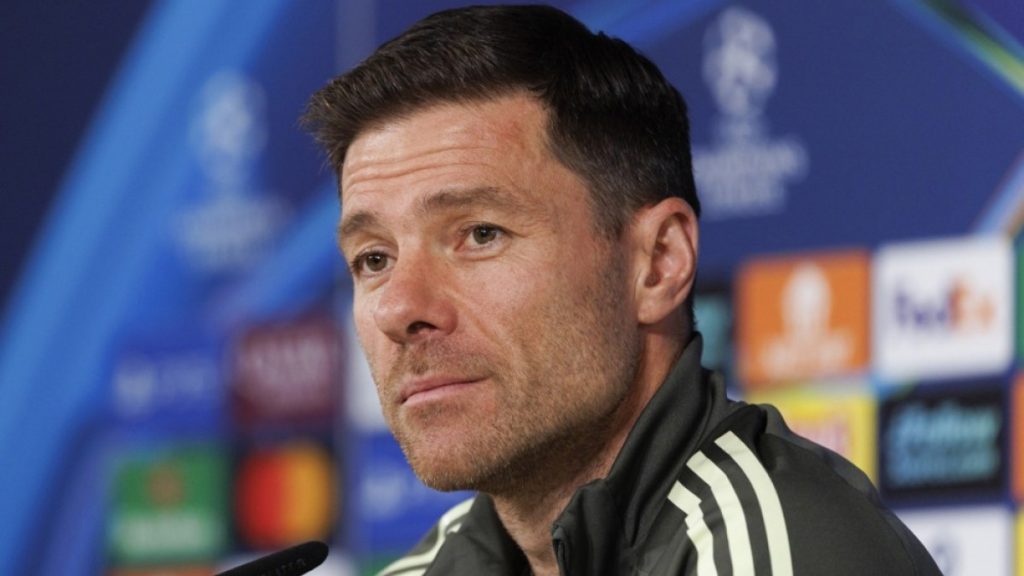
Alonso defiant as pressure grows on Real manager before Man City visit
Pressure mounting on Real coach as Manchester City visit in the league phase of the UEFA Champions League on Wednesday.
 article
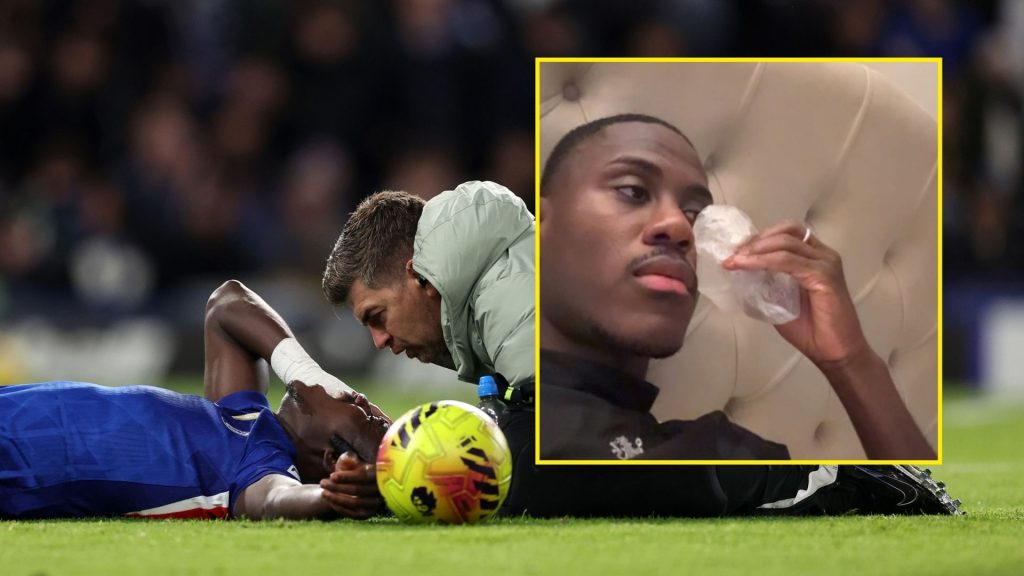
Chalobah shows off aftermath of nasty elbow from Arsenal star
Enzo Maresca has called out inconsistency from the officials following Chelsea’s draw with Arsenal. The Blues boss was left shocked that the visitors were not reduced to 10 men. Meanwhile, Ch…